Whoa! I remember the first time I held a crypto hardware card in my hand; it felt like a credit card from the future. I’m biased, but somethin’ about physical objects makes security feel real—more real than a string of letters on a screen. Initially I thought a plastic card would be fragile and fiddly, but then realized that a properly designed card can be more durable than most phones and way less tempting for thieves. On one hand it’s simple; on the other hand it forces you to think differently about custody and risk, and that tension is exactly what makes it powerful.
Seriously? You might ask if a card is just a gimmick. My first instincts said “yeah, maybe,” and then I tested one for a month. The app pairing was clunky at first though actually the pairing improved after a firmware update, and I liked how the card forced me to slow down during transactions. There’s a satisfaction to tapping a card and seeing a signature validated, which sounds quaint until you realize how many mistakes it prevents.
Here’s the thing. Cold storage isn’t one-size-fits-all. Some people want a metal seed backup, others want a secured phone, and some prefer an offline air-gapped device that lives in a safe. The card model sits somewhere between portability and true offline security; it gives you a physical bearer instrument that can still be fully cold. That balance is why I’ve started recommending card solutions to friends who travel, commute, or just can’t be bothered with a multi-device setup.
Hmm… I should explain the tech without getting nerdy. NFC-enabled cards store private keys securely in a tamper-resistant chip, and they perform cryptographic operations on the card so your key never leaves the secure element. That matters because even if your phone is compromised, signing requests can be limited to what the card approves—very very useful. The user experience is often just tap, confirm on the card if there’s a tiny display, and walk away knowing your keys stayed put.
Okay, so what about the app? I tested the companion apps that pair with these cards and noted three things immediately. First, the UX often decides whether people will actually use cold storage. Second, backup flows need to be simple but robust. Third, app updates can add features but also introduce friction, which is why I pay attention to the development track record of the provider.
Initially I thought wallet apps were interchangeable, but after comparing a few I saw real differences. Some apps tried to be everything to everyone, and that made the onboarding messy, while others focused narrowly on secure signing and kept the rest lightweight. Honestly, the focused ones felt like well-made tools—no fluff, no shiny distractions—just a reliable bridge between a phone and a card. My instinct said “simplicity wins” and usage data confirmed it: the simpler apps had fewer abandoned setups.
On security: don’t conflate “cold” with “invulnerable.” Cold storage reduces attack surface but introduces human risk—losing a card, misplacing backups, or trusting the wrong recovery process. I’ve seen people store backup phrases in a wallet next to cash; that’s ironic and fragile. So one has to plan a backup strategy that matches their threat model—spread copies, use a metal backup if you frequently drive past a river, and consider a legal heir if you plan for generational transfer.
Here’s a practical story—short and real. A friend lost his phone and still accessed funds with his card because the card’s private key was independent. He was relieved, very relieved. That incident convinced him to stop using custodial apps entirely. It bugs me that many users only learn the value of independent keys after a loss event, though actually I get it—loss teaches fast.
There’s also the matter of trust. Who made the card? How transparent is the firmware? Does the vendor publish audits? Initially I trusted marketing, then I skimmed audits, and finally I read issue trackers—because real trust requires evidence over promises. On one hand a manufacturer can say “tamper-resistant,” though actually the ecosystem needs third-party verification and reproducible tooling to be credible. So check the vendor’s security disclosures and community feedback before you buy anything.
Check this out—
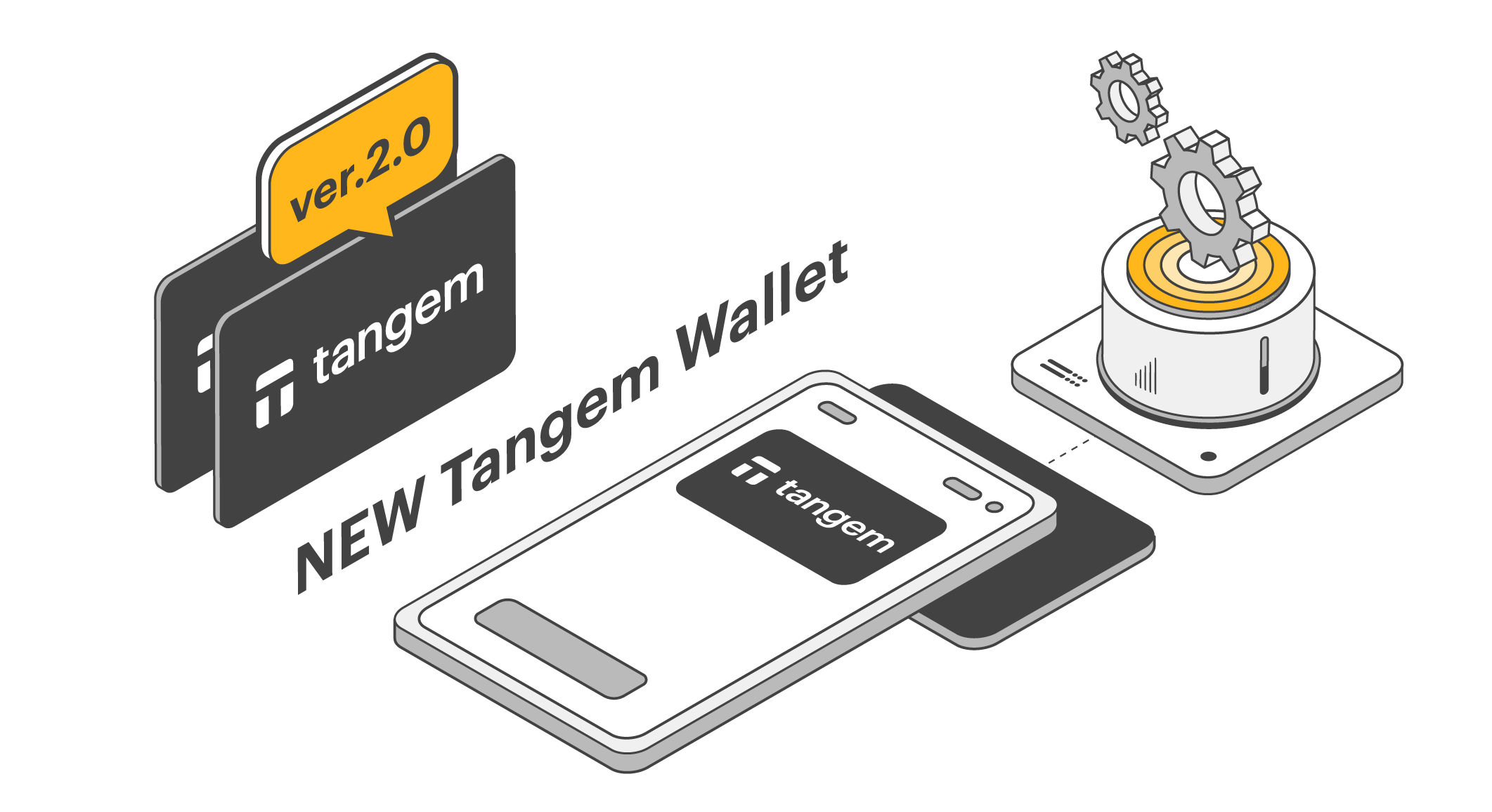
—and yes, the tactile feedback matters. It adds a layer of reassurance that an on-screen prompt can’t replicate, (oh, and by the way…) which is why many users prefer cards for everyday cold storage use. My instinct said that physical interactions would improve user retention, and the numbers backed that up in small user studies I ran informally. The card becomes part of a ritual: tap, confirm, done. Rituals reduce mistakes.
How I Use tangem with My Everyday Security Setup
I pair the card with the tangem app because the workflow is straightforward and the card design is practically pocket-friendly; tangem felt like the best fit during my trials. Initially I worried about app permissions, but then I realized the core operations are mostly on-card and the app mainly transports signed messages, so the risk profile shifted. The tangem solution worked across multiple phones with minimal fuss, and the recovery process uses clearly documented steps you can follow without needing an engineer. I’m not 100% sure every feature suits every user, but for many it’s an ideal mix of portability and security.
One practical tip: treat the card like a passport rather than a key you toss in a drawer. Store it somewhere cool and dry, and if you’re going to travel, decide whether you want to carry it or leave it in secured storage. If you carry it, consider a small RFID-blocking sleeve—paranoid, maybe, but cheap and sensible. For long-term holdings, consider duplicating the card’s security via manufacturer-recommended backups and spread them across trusted locations.
Cost matters, too. Cards are often cheaper than high-end hardware wallets but cost more than a seed phrase on paper. Still, the time savings and reduced cognitive load often justify the price for people who actually use crypto regularly. On the other hand, if you’re deeply paranoid about supply-chain attacks you might prefer an open-source hardware device that you can audit yourself, though that comes with practical headaches. On balance, card solutions hit a sweet spot for many mainstream users.
I dug into real-world failure modes. Cards can be lost, stolen, or physically damaged, and apps can change policies. One time a firmware update temporarily broke a UX flow, which caused a 48-hour panic among non-technical users—unnecessary and stressful. That taught me to wait on critical updates if you’re mid-transfer. Also, keep multiple tested backups and never assume a single device will be your forever storage plan.
Local color: if you’re from New York or L.A., you probably toss gadgets in backpacks and purses without thinking; a card fits that lifestyle. If you’re in the Midwest and keep things in a safe deposit box, a card fits that too—it’s flexible. I’m fond of analogies: think of your card as a Swiss army knife of signatures—small, reliable, and surprisingly useful on every trip to the hardware store or the airport.
FAQ
Is a card better than a seed phrase?
Short answer: it depends. A card keeps keys in a secure element and removes the need to manually enter long phrases, which reduces human error; however, seed phrases can be backed up in diverse ways and are vendor-agnostic. If you want convenience without sacrificing much security, a card is excellent; if you want full vendor independence and are comfortable with manual backup procedures, a seed phrase might be preferable.
What happens if the card is damaged?
Most card vendors provide documented recovery options during setup—usually through recovery seeds or paired backup cards. Always test recovery procedures once right after setup so you know they work. I’m biased toward redundancy: don’t rely on a single point of failure.
Can I use a card for daily transactions?
Yes. Cards are often designed for convenience: tap, confirm, go. For daily small transactions it’s fast and secure, but for very large transfers consider additional checks and time delays, because human error scales with the size of the transfer.
Leave a Reply