Okay, so check this out—I’ve been carrying hardware wallets in my backpack for years. Wow! They feel like insurance you actually touch. My instinct said plastic cards would be clumsy, but that changed fast. Initially I thought small metal devices were the only durable option, but then I saw a card that fits a wallet and thought: now that’s interesting.
Here’s the thing. Cold storage can be intimidating. Seriously? Most users picture a vault, paper, and lots of anxiety. But hardware cards simplify some of that friction. They remove certain attack surfaces by design, and they make day-to-day possession easier without sacrificing the core idea: keep your private keys offline. Something felt off about overcomplicating backups though… so I started using a card-based approach more seriously.
Short version: a card wallet is simple. It sits in your wallet. It can be tapped. It’s low profile. And it often uses secure elements that rival pricier dongles.
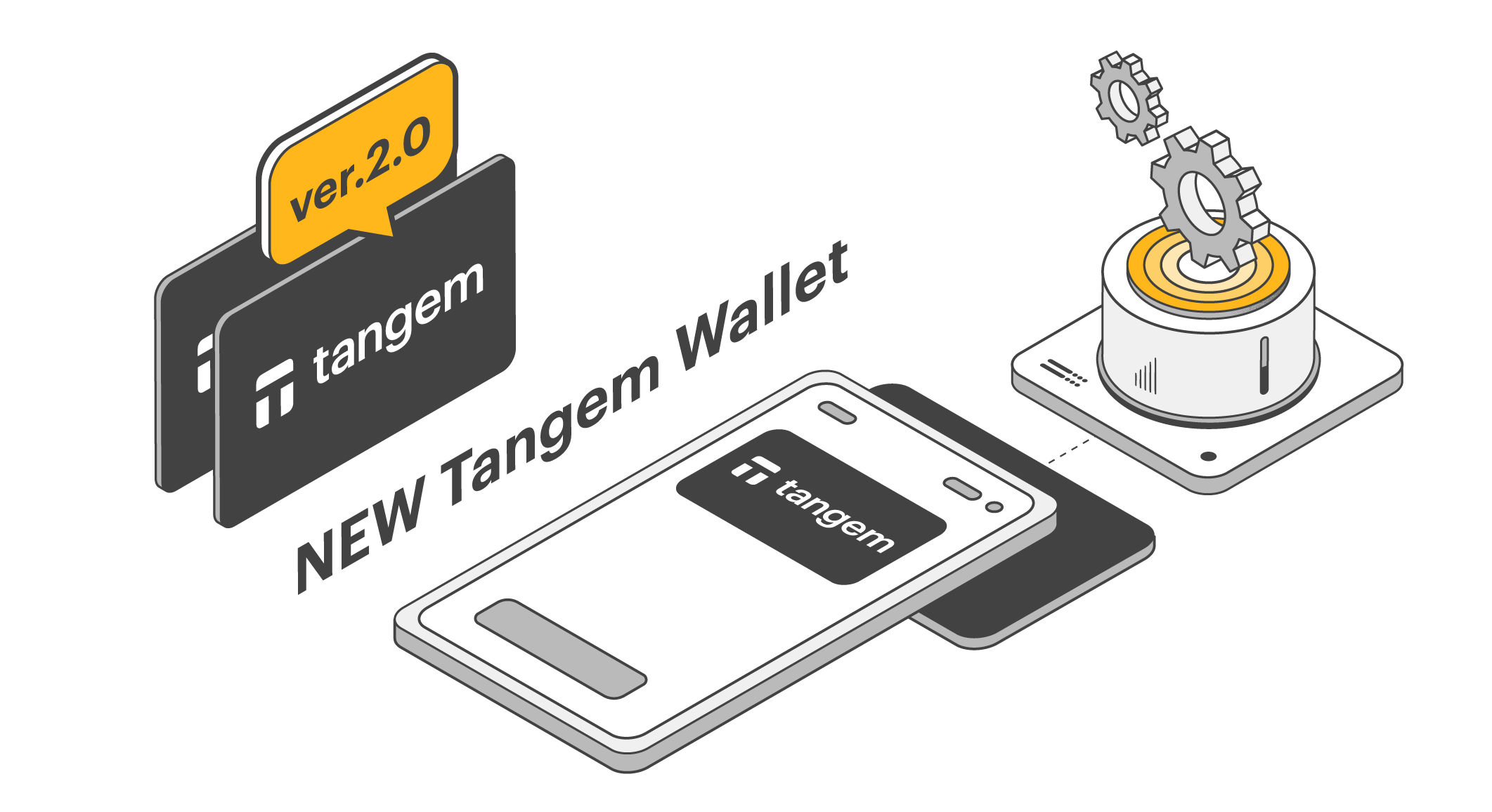
What a card-based hardware wallet actually changes
Most hardware wallets are tiny computers. They isolate signing from the network. Sounds familiar, right? But tangible differences matter. A card reduces the “fiddle factor”—less cable, fewer adapters, fewer cables lost in couch cushions. My impression? It removes a bunch of small frictions that make people procrastinate on security. On one hand, removing friction helps adoption. On the other hand, simpler form factors sometimes hide complexity—though actually, wait—let me rephrase that: simpler hardware doesn’t mean simpler security, it just changes where decisions happen.
Tap-to-sign via NFC is a real UX win. Tap your phone, get a prompt, approve a transaction. No USB dongles. No drivers. No extra battery management. It feels modern. Yet I won’t pretend it’s a magic bullet; mobile OS security matters, and you still need safe backup practices. I’m biased, but for many folks this is the best middle ground between “paper and prayers” and “full-online custodial services.”
Security trade-offs made practical
Cold storage is a spectrum. Wow! At one end you’ve got air-gapped multisig setups that are very secure but very complex. At the other end are custodial exchanges—convenient but risky. Card wallets sit toward the secure end while keeping usability high. Medium length sentence here for pacing. Long sentence coming now to unpack nuance: when a card stores keys inside a certified secure element, supports secure PINs, and refuses to export private keys, it preserves the key property of cold storage even though it interacts with phones via NFC.
I’ll be honest—no device is perfect. There are supply chain considerations. There are UI traps. There are social engineering attacks that target the user, not the chip. But owning a card you control is better than trusting a third party with your seed phrase. Also, some people like the aesthetic. (oh, and by the way…) I do too. It’s small, discreet, and annoyingly practical.
My practical checklist for evaluating a card wallet: certified secure element, deterministic key derivation for recovery, strong PIN policy, clear recovery workflow, and transparent firmware updates. If it lacks these, buyer beware. Double check firmware signing. Ask the vendor direct questions. Be skeptical of marketing claims—very very important.
Why Tangem-style cards stand out
For me, Tangem-style cards hit a sweet spot. They combine NFC convenience with secure hardware and a minimalist recovery model. Tap your phone, sign a tx, done. The form factor lowers the bar for everyday custody. You can read more about them here: tangem. Hmm… I realize that might sound like an ad, but it’s really just a recommendation from use and observation.
Some people worry about single-point failures. True. That’s why I pair a card with a sensible backup plan. Multisig is great when you can manage it. If you’re single-keying it, split backups (e.g., a secure, offline paper backup in a safe and a second card stored separately) reduce risk. My rule of thumb? Assume hardware can be lost or damaged and plan accordingly.
Also consider life situations. If you travel a lot, a card tucked in a passport wallet is less attention-grabbing than a hardware dongle. If you have kids, a card inside a locked safe is easy to rotate and harder to misplace. The human element matters more than the chip sometimes.
Everyday tips that helped me keep keys safe
Don’t just stash your seed phrase randomly. Wow! Use durable materials. Use metal plates or discrete distribution between trusted locations. Keep PINs short enough to remember but long enough to deter shoulder-surfers. Longer sentence now: test recovery procedures in a safe environment before you need them, because the worst moment to find out your backup is broken is when you actually need to restore access after a loss.
Update firmware, but be cautious. If updates are critical for security, plan them when you have time. If an update looks weird, contact support or community channels. Social proof helps—see if independent auditors have reviewed key components. I’m not an auditor, though, so do your own due diligence.
FAQ
Is a card wallet as secure as a hardware dongle?
Short answer: it can be. Longer answer: security depends on design choices like secure elements, firmware signing, and recovery workflows. The card form factor doesn’t inherently reduce cryptographic security. It does change how you interact with the device, which affects human risk.
What if I lose the card?
Recover using your seed or recovery method. Wow! If you planned backups properly, you should be able to restore to another device. If you didn’t, that’s on you—so prepare ahead. Seriously, test it once.
Can NFC be intercepted?
NFC range is short, usually a few centimeters, so remote interception is impractical. Physical proximity attacks are theoretically possible but rare. The real risk is someone tricking you into approving transactions on your phone—so keep your approvals deliberate.
So, where does that leave you? Use a card if you want less friction and strong security without a steep learning curve. Keep backups. Don’t get lazy. My instinct says the future of personal custody favors elegant, user-friendly hardware that still respects crypto’s security fundamentals. I’m not 100% sure about every vendor, and you shouldn’t be either. Do the homework, ask questions, and keep a backup plan—because somethin’ will happen eventually, and you’ll be glad you prepared.
Leave a Reply